
 Gina Speed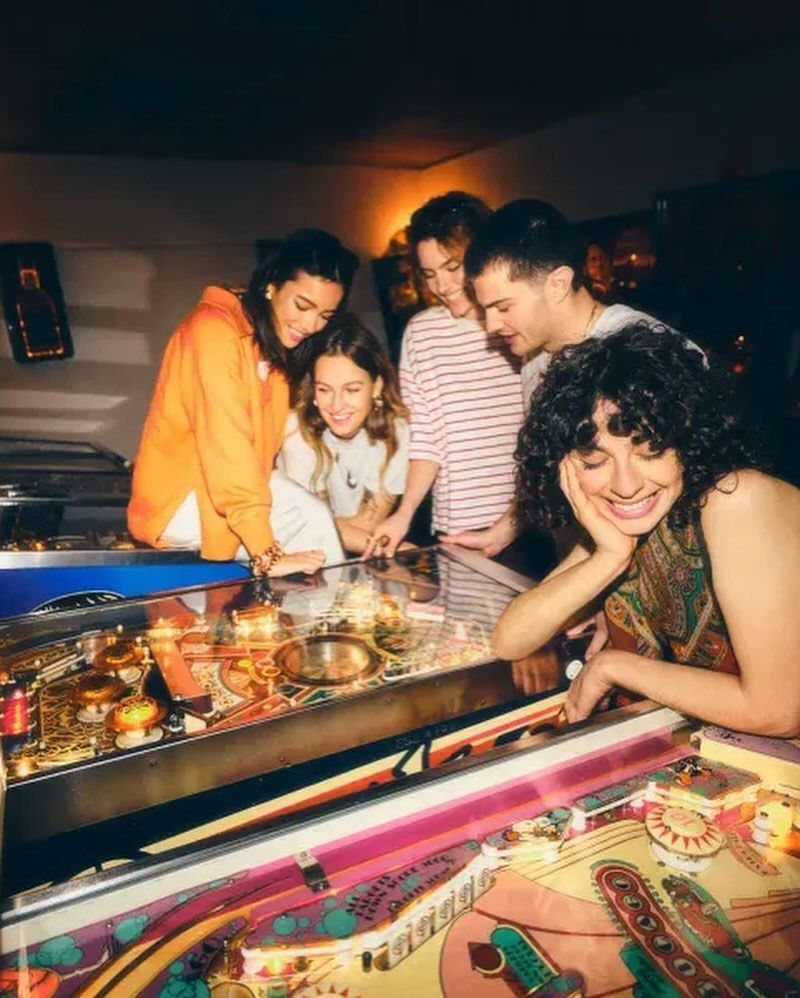
For a long time, the underground was defined by distance. You had to know where to look, who to know, which basement to descend into, which record store flyer to follow. Scenes were local because they had to be. Today, a bedroom producer in Berlin can find an audience in Seoul, an illustrator in Los Angeles can collaborate with a designer in London, and a micro-genre can develop its own visual language before most people have even heard of it. The underground hasn’t disappeared. It has become distributed.

How niche communities form
What is emerging in its place is a culture built around niche communities. These aren’t necessarily audiences in the traditional sense. They’re participants. They share music, references, images, clothes, ideas and obscure discoveries. A community might form around a particular sound, an independent label, a fashion sensibility, an online art forum or simply a shared feeling about what culture should look like. The boundaries between music, fashion and art become increasingly irrelevant because the people involved aren’t experiencing them as separate categories.
Micro-generes are apathetic
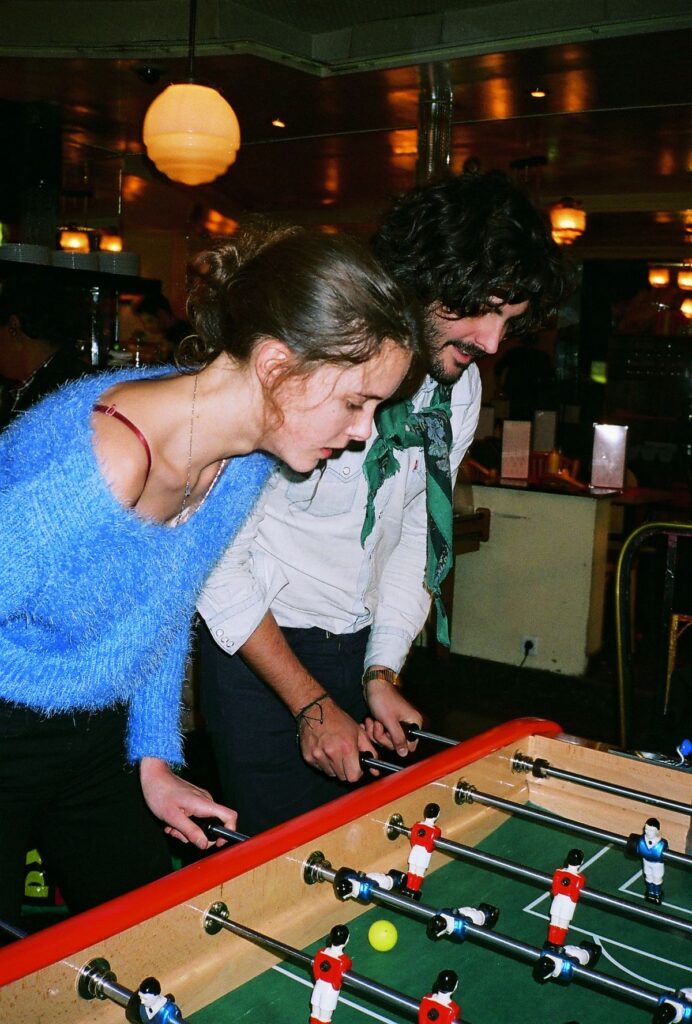
Micro-genres are a perfect example. Music has always evolved through subcultures, but the internet has accelerated the process to an almost absurd degree. Sounds can emerge, mutate and disappear within months, sometimes carrying their own vocabulary, imagery and fashion along with them. What matters isn’t necessarily whether a micro-genre becomes commercially successful. Its value can come from the intensity of the people who care about it. A small group with a strong point of view can have more cultural energy than a massive audience with none.
Indie labels are worlds
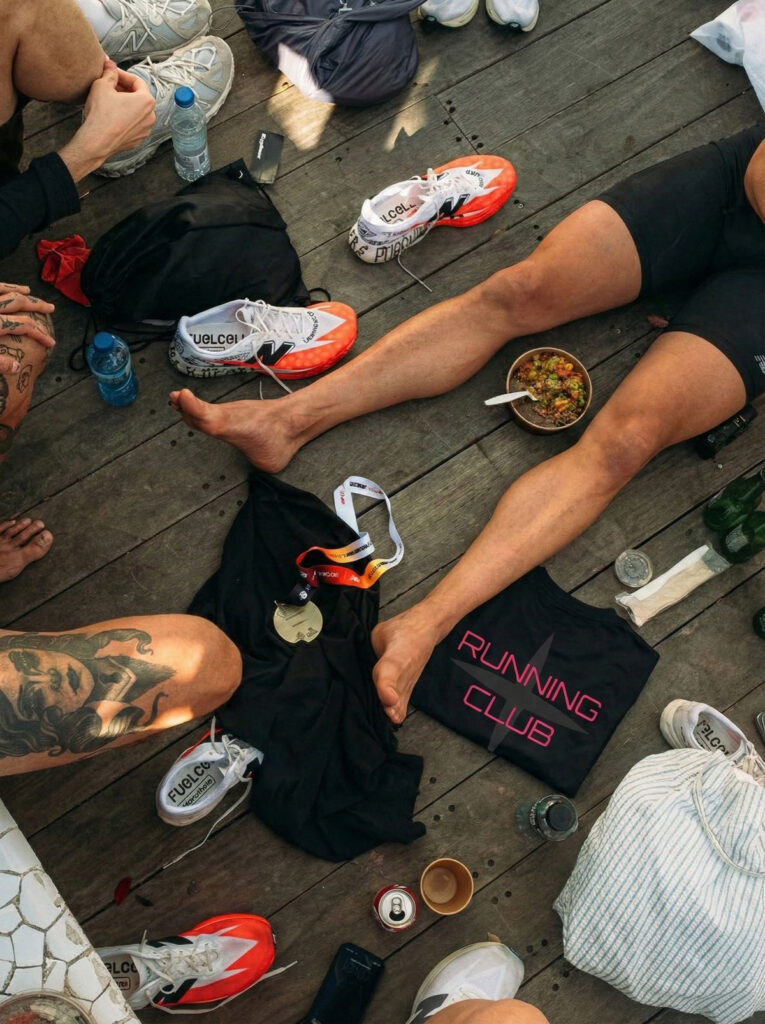
Independent labels understand this particularly well. Instead of trying to compete with the scale of the major music industry, many create identities that feel intimate, specific and deeply connected to their artists. The label becomes more than a distributor. It becomes a world. Its artwork, releases, merchandise, parties, social feeds and collaborations reinforce a recognizable cultural point of view. In that sense, the most interesting labels aren’t simply selling music. They’re giving a community something to belong to.
How to find artists
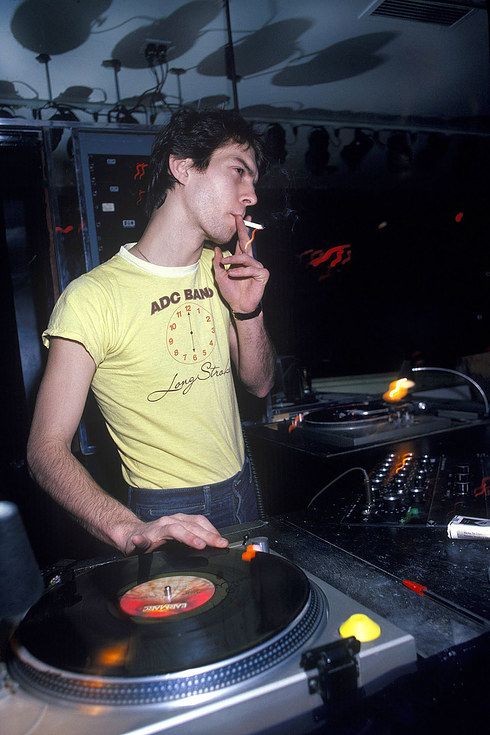
The same thing is happening in online art. Platforms that once promised to connect everyone have, paradoxically, made smaller circles more valuable. Artists are finding one another through shared references and highly specific interests rather than broad categories. A certain type of photography leads to a certain type of music. A certain designer leads to a certain stylist. A local party becomes the meeting point for an online community. The connections are messy, nonlinear and often invisible from the outside, which is exactly what makes them feel alive.
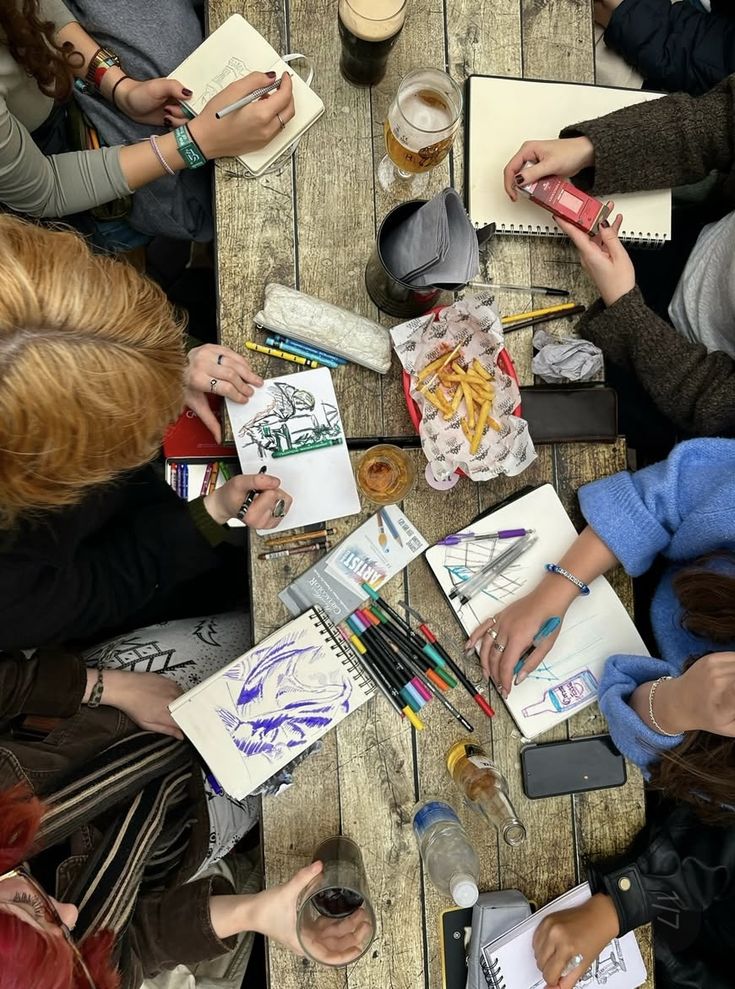
Fashion is so over it
Fashion has always been a language for these communities, and now that language travels faster than ever. A look that begins with a handful of people can move through images, music videos, local events, and social feeds without ever becoming a conventional trend. Sometimes the community actively resists that transition. Once something becomes too recognizable, the search begins again for something stranger, smaller, and less defined. The point isn’t always to be first. It’s to remain distinct.
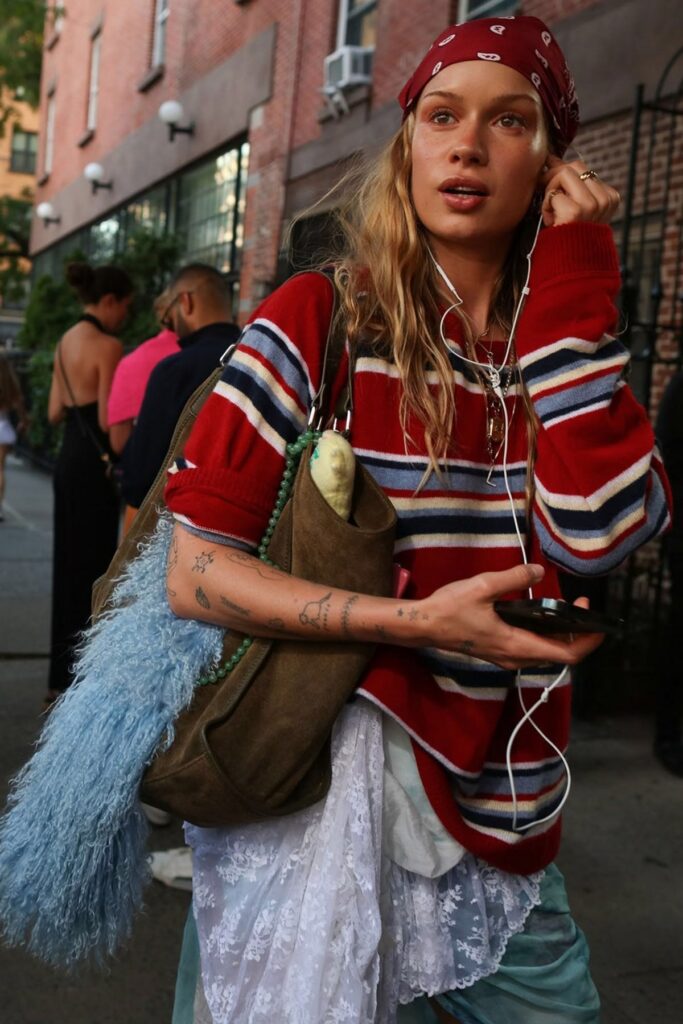
Cultural movements ?
That may be why today’s most interesting cultural movements often feel less like movements at all. There is no manifesto, headquarters or central figure. There are playlists, group chats, parties, Discord servers, independent publications, pop-ups and collaborations. There are people making things because they found other people who care about the same things. Local scenes still matter, but they now exist in conversation with communities thousands of miles away. The underground has become both hyperlocal and global at the same time.
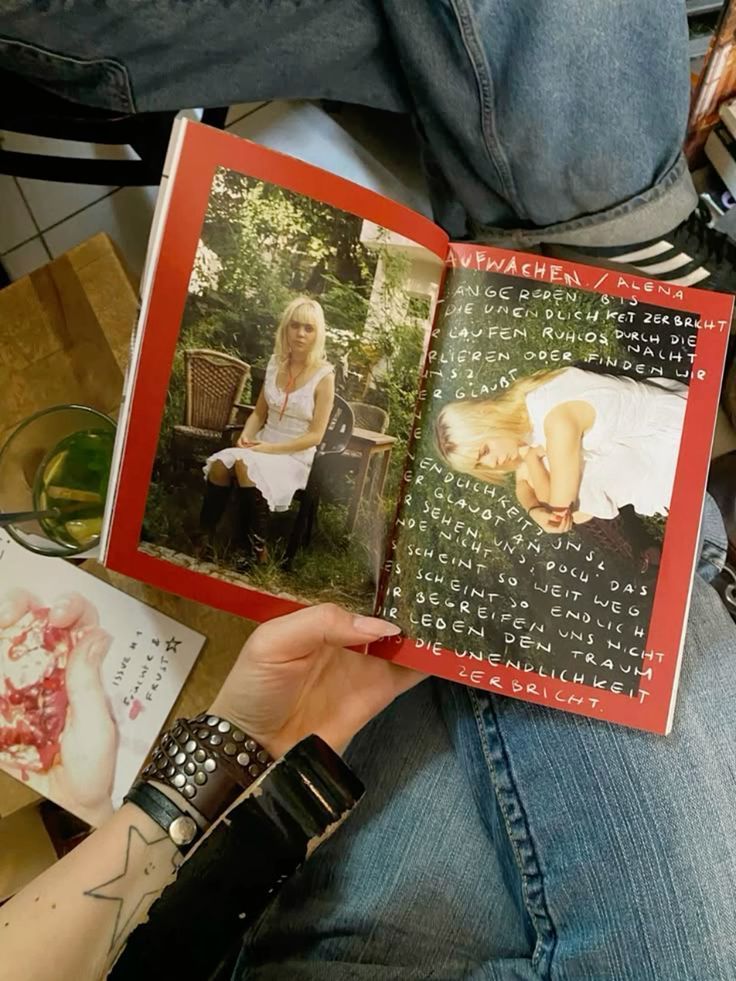
Get curious
And perhaps that’s the real shift. The mainstream used to be where culture was discovered. Now, culture is increasingly discovered in the margins, through people who are paying attention to something before everyone else does. Niche communities don’t need millions of followers to create a cultural movement. They need curiosity, participation and a shared point of view. The new underground isn’t waiting for permission to become mainstream. It may be more interested in building a world of its own.